
ADR IN INDIA – PROMISE, PROGRESS, & PRACTICAL GAPS

Lorem ipsum dolor sit amet, consectetur adipiscing elit. Ut elit tellus, luctus nec ullamcorper mattis, pulvinar dapibus leo.

ADR

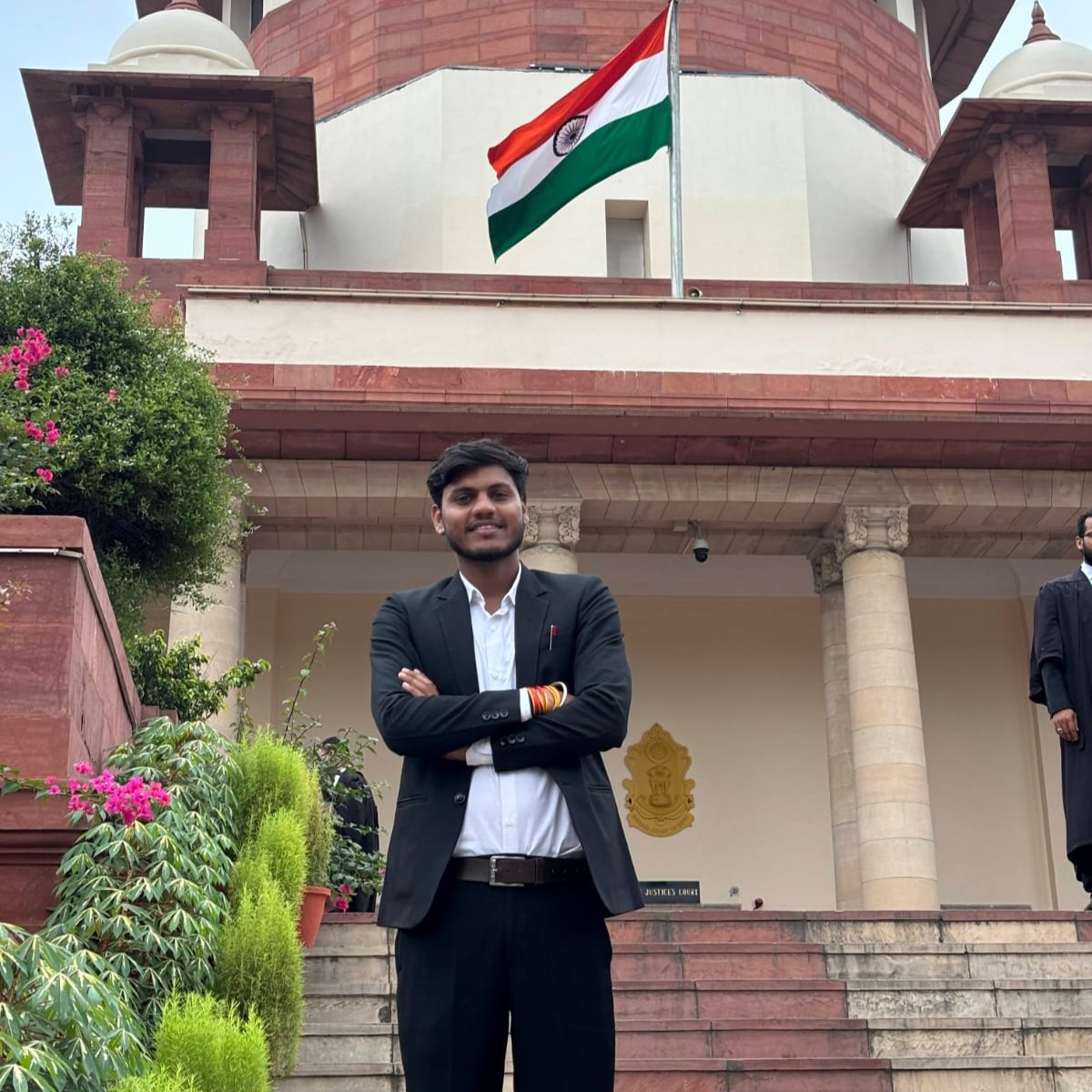
This article is written by Navya Tiwari, a law student at ICFAI University, Dehradun, with a keen interest in Corporate Governance and Alternative Dispute Resolution (ADR).

In India, courtrooms are often overloaded, and disputes can take years, sometimes even decades to reach a final outcome. In this backdrop, Alternative Dispute Resolution (ADR) has gradually become a more practical and people-friendly way of resolving conflicts. Instead of following the long and rigid path of traditional litigation, ADR focuses on resolving disputes through dialogue and agreement, using methods like arbitration, mediation, conciliation, and Lok Adalat.

Over the years, Alternative Dispute Resolution has started to gain real ground in India. With legal backing like the Arbitration and Conciliation Act, 1996 and increasing support from courts, it is being seen as a serious alternative rather than just an option. It promises quicker solutions and a less stressful process for the parties involved.

At the same time, the reality is not entirely smooth. Even though ADR has grown in importance, its practical implementation still faces several challenges that affect how effectively it works on the ground. This gap between what Alternative Dispute Resolution is meant to achieve and what actually happens in practice makes it an important area of discussion in today’s legal system.

Promise of ADR in India

At its core, ADR carries a very simple but powerful promise, to make dispute resolution faster, less expensive, and far less stressful than traditional court litigation. It tries to shift the focus from “winning a case” to actually finding a workable solution that both sides can accept. In many ways, it brings a sense of practicality into the justice system, where parties are not just opponents, but participants in resolving their own conflict.

One of the biggest strengths of Alternative Dispute Resolution is the relief it offers to an overburdened judiciary. With millions of cases pending across courts in India, ADR helps reduce pressure by taking away disputes that do not necessarily need a full courtroom trial. This not only saves judicial time but also ensures that serious cases get more attention.

Another important aspect is accessibility. ADR processes are generally simpler, more flexible, and less intimidating than formal court proceedings. For many individuals and businesses, this means they can resolve disputes without getting trapped in lengthy procedures and high legal costs.

Alternative Dispute Resolution also gives people more control over how their dispute is handled. Unlike litigation, where outcomes are decided strictly by law and procedure, ADR allows parties to participate in shaping the resolution process. This often leads to more practical and mutually acceptable outcomes.

In this way, ADR represents more than just an alternative, it reflects a shift towards a more responsive and people-centric justice system.

Progress of ADR in India

Over the years, Alternative Dispute Resolution in India has moved from being a relatively lesser used idea to becoming an important part of the legal system. This change did not happen overnight, it has been shaped by steady legislative reforms, judicial support, and growing awareness about faster dispute resolution.

A major step in this journey was the introduction of the Arbitration and Conciliation Act, 1996, which gave a structured legal framework to arbitration and aligned India with international standards. Over time, amendments to the Act have further strengthened the system by encouraging efficiency, reducing unnecessary court interference, and promoting time-bound proceedings.

The Indian judiciary has also played a key role in supporting Alternative Dispute Resolution. Courts have repeatedly emphasized settlement wherever possible, especially in civil, commercial, and family disputes. This approach has helped build confidence in ADR mechanisms and encouraged parties to consider them seriously instead of relying only on litigation.

Alongside arbitration, other forms of Alternative Dispute Resolution have also grown significantly. Lok Adalat have become a widely accepted mechanism for resolving smaller disputes quickly, especially in matters like motor accident claims and recovery cases. Similarly, mediation is slowly gaining recognition as a practical and less adversarial way of settling conflicts, particularly in commercial and personal disputes.

Institutional development has also improved with the establishment of arbitration centres and mediation institutions in different parts of the country. These efforts show a clear shift towards building a more structured ADR ecosystem.

Overall, the progress of Alternative Dispute Resolution in India reflects a system that is gradually evolving, moving closer to faster, more efficient, and settlement-driven justice.

Practical Gaps in ADR in India

Even though ADR in India has grown significantly on paper and in policy, its real-world functioning still faces several challenges. The gap between intention and implementation is quite visible when one looks at how disputes are actually handled outside courtrooms.

One of the biggest concerns is that arbitration, which was meant to be a faster alternative, often ends up becoming almost as time-consuming as litigation. Frequent court involvement at different stages, whether for interim relief, appointment of arbitrators, or challenging awards sometimes slows down the entire process and defeats the purpose of choosing ADR in the first place.

Another issue is the uneven development of institutional arbitration and mediation in India. While there are established centres, a large number of disputes still go through ad hoc processes, where procedures depend heavily on the arbitrators and parties involved. This can lead to inconsistency, delays, and lack of proper structure.

Cost is another practical concern. In many commercial disputes, arbitration can become quite expensive due to arbitrator fees, legal representation, and procedural requirements. This makes ADR less accessible for smaller businesses and individuals, who ideally should benefit the most from it.

There is also a lack of widespread awareness and trust in Alternative Dispute Resolution mechanisms. Many people, especially outside major cities, still prefer traditional court systems simply because they are more familiar and perceived as more reliable.

Lastly, the enforcement of arbitral awards and settlement outcomes can still involve legal hurdles, which adds another layer of delay and reduces the overall efficiency of the system.

In short, while Alternative Dispute Resolution promises speed and simplicity, its practical reality in India is still evolving and needs stronger institutional support, better awareness, and more streamlined procedures.

A good example of the judiciary’s supportive approach towards ADR can be seen in Afcons Infrastructure Ltd. v. Cherian Varkey Construction Co. (2010). In this case, the Supreme Court took a clear stand in favour of promoting settlement mechanisms and explained how courts should identify suitable matters for referral to Alternative Dispute Resolution processes like mediation and arbitration under Section 89 of the Civil Procedure Code. The Court made it clear that not every dispute needs to go through a full trial, especially when there is scope for an amicable resolution.

What makes this case important is the way it reflects a shift in judicial thinking. Instead of treating ADR as a secondary option, the Court recognised it as a practical and meaningful method of reducing delay and easing the burden on the traditional court system. It reinforced the idea that settlement is not a compromise of justice, but often a more efficient way of achieving it.

Alternative Dispute Resolution in India stands at an important turning point. On one hand, it carries a strong promise of faster, more flexible, and less burdensome dispute resolution. On the other, its actual functioning still reflects several structural and practical limitations that prevent it from reaching its full potential.

What is clear, however, is that ADR is no longer just a supporting mechanism—it has become an essential part of India’s justice delivery system. With continued legal reforms, stronger institutional frameworks, and greater awareness among people, ADR has the potential to significantly ease the pressure on courts and make justice more accessible in a real sense.

Ultimately, the future of Alternative Dispute Resolution in India depends not just on laws and policies, but on how effectively it is implemented in practice. Bridging the gap between promise and reality will determine whether ADR remains an “alternative” or becomes the preferred mode of dispute resolution.

It would be unfair to overlook the progress that has already been made. From arbitration reforms to the growing acceptance of mediation and the success of Lok Adalat, ADR has slowly become an integral part of India’s dispute resolution framework. It is no longer an experimental idea but a functioning system that is gradually gaining trust.

Going forward, the real challenge is not just expanding Alternative Dispute Resolution, but making it more efficient, consistent, and accessible at every level. If the gap between policy and practice can be narrowed, Alternative Dispute Resolution has the potential to transform India’s justice system into one that is not only faster, but also more responsive to the needs of its people.


This article is written by Navya Tiwari, a law student at ICFAI University, Dehradun, with a keen interest in Corporate Governance and Alternative Dispute Resolution (ADR).

In India, courtrooms are often overloaded, and disputes can take years, sometimes even decades to reach a final outcome. In this backdrop, Alternative Dispute Resolution (ADR) has gradually become a more practical and people-friendly way of resolving conflicts. Instead of following the long and rigid path of traditional litigation, ADR focuses on resolving disputes through dialogue and agreement, using methods like arbitration, mediation, conciliation, and Lok Adalat.

Over the years, Alternative Dispute Resolution has started to gain real ground in India. With legal backing like the Arbitration and Conciliation Act, 1996 and increasing support from courts, it is being seen as a serious alternative rather than just an option. It promises quicker solutions and a less stressful process for the parties involved.

At the same time, the reality is not entirely smooth. Even though ADR has grown in importance, its practical implementation still faces several challenges that affect how effectively it works on the ground. This gap between what Alternative Dispute Resolution is meant to achieve and what actually happens in practice makes it an important area of discussion in today’s legal system.

Promise of ADR in India

At its core, ADR carries a very simple but powerful promise, to make dispute resolution faster, less expensive, and far less stressful than traditional court litigation. It tries to shift the focus from “winning a case” to actually finding a workable solution that both sides can accept. In many ways, it brings a sense of practicality into the justice system, where parties are not just opponents, but participants in resolving their own conflict.

One of the biggest strengths of Alternative Dispute Resolution is the relief it offers to an overburdened judiciary. With millions of cases pending across courts in India, ADR helps reduce pressure by taking away disputes that do not necessarily need a full courtroom trial. This not only saves judicial time but also ensures that serious cases get more attention.

Another important aspect is accessibility. ADR processes are generally simpler, more flexible, and less intimidating than formal court proceedings. For many individuals and businesses, this means they can resolve disputes without getting trapped in lengthy procedures and high legal costs.

Alternative Dispute Resolution also gives people more control over how their dispute is handled. Unlike litigation, where outcomes are decided strictly by law and procedure, ADR allows parties to participate in shaping the resolution process. This often leads to more practical and mutually acceptable outcomes.

In this way, ADR represents more than just an alternative, it reflects a shift towards a more responsive and people-centric justice system.

Progress of ADR in India

Over the years, Alternative Dispute Resolution in India has moved from being a relatively lesser used idea to becoming an important part of the legal system. This change did not happen overnight, it has been shaped by steady legislative reforms, judicial support, and growing awareness about faster dispute resolution.

A major step in this journey was the introduction of the Arbitration and Conciliation Act, 1996, which gave a structured legal framework to arbitration and aligned India with international standards. Over time, amendments to the Act have further strengthened the system by encouraging efficiency, reducing unnecessary court interference, and promoting time-bound proceedings.

The Indian judiciary has also played a key role in supporting Alternative Dispute Resolution. Courts have repeatedly emphasized settlement wherever possible, especially in civil, commercial, and family disputes. This approach has helped build confidence in ADR mechanisms and encouraged parties to consider them seriously instead of relying only on litigation.

Alongside arbitration, other forms of Alternative Dispute Resolution have also grown significantly. Lok Adalat have become a widely accepted mechanism for resolving smaller disputes quickly, especially in matters like motor accident claims and recovery cases. Similarly, mediation is slowly gaining recognition as a practical and less adversarial way of settling conflicts, particularly in commercial and personal disputes.

Institutional development has also improved with the establishment of arbitration centres and mediation institutions in different parts of the country. These efforts show a clear shift towards building a more structured ADR ecosystem.

Overall, the progress of Alternative Dispute Resolution in India reflects a system that is gradually evolving, moving closer to faster, more efficient, and settlement-driven justice.

Practical Gaps in ADR in India

Even though ADR in India has grown significantly on paper and in policy, its real-world functioning still faces several challenges. The gap between intention and implementation is quite visible when one looks at how disputes are actually handled outside courtrooms.

One of the biggest concerns is that arbitration, which was meant to be a faster alternative, often ends up becoming almost as time-consuming as litigation. Frequent court involvement at different stages, whether for interim relief, appointment of arbitrators, or challenging awards sometimes slows down the entire process and defeats the purpose of choosing ADR in the first place.

Another issue is the uneven development of institutional arbitration and mediation in India. While there are established centres, a large number of disputes still go through ad hoc processes, where procedures depend heavily on the arbitrators and parties involved. This can lead to inconsistency, delays, and lack of proper structure.

Cost is another practical concern. In many commercial disputes, arbitration can become quite expensive due to arbitrator fees, legal representation, and procedural requirements. This makes ADR less accessible for smaller businesses and individuals, who ideally should benefit the most from it.

There is also a lack of widespread awareness and trust in Alternative Dispute Resolution mechanisms. Many people, especially outside major cities, still prefer traditional court systems simply because they are more familiar and perceived as more reliable.

Lastly, the enforcement of arbitral awards and settlement outcomes can still involve legal hurdles, which adds another layer of delay and reduces the overall efficiency of the system.

In short, while Alternative Dispute Resolution promises speed and simplicity, its practical reality in India is still evolving and needs stronger institutional support, better awareness, and more streamlined procedures.

A good example of the judiciary’s supportive approach towards ADR can be seen in Afcons Infrastructure Ltd. v. Cherian Varkey Construction Co. (2010). In this case, the Supreme Court took a clear stand in favour of promoting settlement mechanisms and explained how courts should identify suitable matters for referral to Alternative Dispute Resolution processes like mediation and arbitration under Section 89 of the Civil Procedure Code. The Court made it clear that not every dispute needs to go through a full trial, especially when there is scope for an amicable resolution.

What makes this case important is the way it reflects a shift in judicial thinking. Instead of treating ADR as a secondary option, the Court recognised it as a practical and meaningful method of reducing delay and easing the burden on the traditional court system. It reinforced the idea that settlement is not a compromise of justice, but often a more efficient way of achieving it.

Alternative Dispute Resolution in India stands at an important turning point. On one hand, it carries a strong promise of faster, more flexible, and less burdensome dispute resolution. On the other, its actual functioning still reflects several structural and practical limitations that prevent it from reaching its full potential.

What is clear, however, is that ADR is no longer just a supporting mechanism—it has become an essential part of India’s justice delivery system. With continued legal reforms, stronger institutional frameworks, and greater awareness among people, ADR has the potential to significantly ease the pressure on courts and make justice more accessible in a real sense.

Ultimately, the future of Alternative Dispute Resolution in India depends not just on laws and policies, but on how effectively it is implemented in practice. Bridging the gap between promise and reality will determine whether ADR remains an “alternative” or becomes the preferred mode of dispute resolution.

It would be unfair to overlook the progress that has already been made. From arbitration reforms to the growing acceptance of mediation and the success of Lok Adalat, ADR has slowly become an integral part of India’s dispute resolution framework. It is no longer an experimental idea but a functioning system that is gradually gaining trust.

Going forward, the real challenge is not just expanding Alternative Dispute Resolution, but making it more efficient, consistent, and accessible at every level. If the gap between policy and practice can be narrowed, Alternative Dispute Resolution has the potential to transform India’s justice system into one that is not only faster, but also more responsive to the needs of its people.
This article is written by Navya Tiwari, a law student at ICFAI University, Dehradun, with a keen interest in Corporate Governance and Alternative Dispute Resolution (ADR).

In India, courtrooms are often overloaded, and disputes can take years, sometimes even decades to reach a final outcome. In this backdrop, Alternative Dispute Resolution (ADR) has gradually become a more practical and people-friendly way of resolving conflicts. Instead of following the long and rigid path of traditional litigation, ADR focuses on resolving disputes through dialogue and agreement, using methods like arbitration, mediation, conciliation, and Lok Adalat.

Over the years, Alternative Dispute Resolution has started to gain real ground in India. With legal backing like the Arbitration and Conciliation Act, 1996 and increasing support from courts, it is being seen as a serious alternative rather than just an option. It promises quicker solutions and a less stressful process for the parties involved.

At the same time, the reality is not entirely smooth. Even though ADR has grown in importance, its practical implementation still faces several challenges that affect how effectively it works on the ground. This gap between what Alternative Dispute Resolution is meant to achieve and what actually happens in practice makes it an important area of discussion in today’s legal system.

Promise of ADR in India

At its core, ADR carries a very simple but powerful promise, to make dispute resolution faster, less expensive, and far less stressful than traditional court litigation. It tries to shift the focus from “winning a case” to actually finding a workable solution that both sides can accept. In many ways, it brings a sense of practicality into the justice system, where parties are not just opponents, but participants in resolving their own conflict.

One of the biggest strengths of Alternative Dispute Resolution is the relief it offers to an overburdened judiciary. With millions of cases pending across courts in India, ADR helps reduce pressure by taking away disputes that do not necessarily need a full courtroom trial. This not only saves judicial time but also ensures that serious cases get more attention.

Another important aspect is accessibility. ADR processes are generally simpler, more flexible, and less intimidating than formal court proceedings. For many individuals and businesses, this means they can resolve disputes without getting trapped in lengthy procedures and high legal costs.

Alternative Dispute Resolution also gives people more control over how their dispute is handled. Unlike litigation, where outcomes are decided strictly by law and procedure, ADR allows parties to participate in shaping the resolution process. This often leads to more practical and mutually acceptable outcomes.

In this way, ADR represents more than just an alternative, it reflects a shift towards a more responsive and people-centric justice system.

Progress of ADR in India

Over the years, Alternative Dispute Resolution in India has moved from being a relatively lesser used idea to becoming an important part of the legal system. This change did not happen overnight, it has been shaped by steady legislative reforms, judicial support, and growing awareness about faster dispute resolution.

A major step in this journey was the introduction of the Arbitration and Conciliation Act, 1996, which gave a structured legal framework to arbitration and aligned India with international standards. Over time, amendments to the Act have further strengthened the system by encouraging efficiency, reducing unnecessary court interference, and promoting time-bound proceedings.

The Indian judiciary has also played a key role in supporting Alternative Dispute Resolution. Courts have repeatedly emphasized settlement wherever possible, especially in civil, commercial, and family disputes. This approach has helped build confidence in ADR mechanisms and encouraged parties to consider them seriously instead of relying only on litigation.

Alongside arbitration, other forms of Alternative Dispute Resolution have also grown significantly. Lok Adalat have become a widely accepted mechanism for resolving smaller disputes quickly, especially in matters like motor accident claims and recovery cases. Similarly, mediation is slowly gaining recognition as a practical and less adversarial way of settling conflicts, particularly in commercial and personal disputes.

Institutional development has also improved with the establishment of arbitration centres and mediation institutions in different parts of the country. These efforts show a clear shift towards building a more structured ADR ecosystem.

Overall, the progress of Alternative Dispute Resolution in India reflects a system that is gradually evolving, moving closer to faster, more efficient, and settlement-driven justice.

Practical Gaps in ADR in India

Even though ADR in India has grown significantly on paper and in policy, its real-world functioning still faces several challenges. The gap between intention and implementation is quite visible when one looks at how disputes are actually handled outside courtrooms.

One of the biggest concerns is that arbitration, which was meant to be a faster alternative, often ends up becoming almost as time-consuming as litigation. Frequent court involvement at different stages, whether for interim relief, appointment of arbitrators, or challenging awards sometimes slows down the entire process and defeats the purpose of choosing ADR in the first place.

Another issue is the uneven development of institutional arbitration and mediation in India. While there are established centres, a large number of disputes still go through ad hoc processes, where procedures depend heavily on the arbitrators and parties involved. This can lead to inconsistency, delays, and lack of proper structure.

Cost is another practical concern. In many commercial disputes, arbitration can become quite expensive due to arbitrator fees, legal representation, and procedural requirements. This makes ADR less accessible for smaller businesses and individuals, who ideally should benefit the most from it.

There is also a lack of widespread awareness and trust in Alternative Dispute Resolution mechanisms. Many people, especially outside major cities, still prefer traditional court systems simply because they are more familiar and perceived as more reliable.

Lastly, the enforcement of arbitral awards and settlement outcomes can still involve legal hurdles, which adds another layer of delay and reduces the overall efficiency of the system.

In short, while Alternative Dispute Resolution promises speed and simplicity, its practical reality in India is still evolving and needs stronger institutional support, better awareness, and more streamlined procedures.

A good example of the judiciary’s supportive approach towards ADR can be seen in Afcons Infrastructure Ltd. v. Cherian Varkey Construction Co. (2010). In this case, the Supreme Court took a clear stand in favour of promoting settlement mechanisms and explained how courts should identify suitable matters for referral to Alternative Dispute Resolution processes like mediation and arbitration under Section 89 of the Civil Procedure Code. The Court made it clear that not every dispute needs to go through a full trial, especially when there is scope for an amicable resolution.

What makes this case important is the way it reflects a shift in judicial thinking. Instead of treating ADR as a secondary option, the Court recognised it as a practical and meaningful method of reducing delay and easing the burden on the traditional court system. It reinforced the idea that settlement is not a compromise of justice, but often a more efficient way of achieving it.

Alternative Dispute Resolution in India stands at an important turning point. On one hand, it carries a strong promise of faster, more flexible, and less burdensome dispute resolution. On the other, its actual functioning still reflects several structural and practical limitations that prevent it from reaching its full potential.

What is clear, however, is that ADR is no longer just a supporting mechanism—it has become an essential part of India’s justice delivery system. With continued legal reforms, stronger institutional frameworks, and greater awareness among people, ADR has the potential to significantly ease the pressure on courts and make justice more accessible in a real sense.

Ultimately, the future of Alternative Dispute Resolution in India depends not just on laws and policies, but on how effectively it is implemented in practice. Bridging the gap between promise and reality will determine whether ADR remains an “alternative” or becomes the preferred mode of dispute resolution.

It would be unfair to overlook the progress that has already been made. From arbitration reforms to the growing acceptance of mediation and the success of Lok Adalat, ADR has slowly become an integral part of India’s dispute resolution framework. It is no longer an experimental idea but a functioning system that is gradually gaining trust.

Going forward, the real challenge is not just expanding Alternative Dispute Resolution, but making it more efficient, consistent, and accessible at every level. If the gap between policy and practice can be narrowed, Alternative Dispute Resolution has the potential to transform India’s justice system into one that is not only faster, but also more responsive to the needs of its people.